Arts Programs
by Admin
Posted on 12-01-2025 06:22 PM

The Importance of Arts Programs
Arts programs are essential for holistic development. They provide a platform for self-expression, emotional exploration, and cognitive growth. Engaging in the arts helps individuals develop a deeper understanding of themselves and the world around them. Here are some key reasons why arts programs are vital:
1. Enhancing Creativity and Innovation
Creativity is a fundamental skill in today's rapidly changing world. Arts programs encourage students to think outside the box, experiment with new ideas, and take creative risks. This fosters innovation and problem-solving abilities that are highly valued in various professional fields.
2. Developing Critical Thinking and Analytical Skills
Engaging in the arts requires critical thinking and analysis. Whether it's interpreting a piece of music, analyzing a painting, or critiquing a performance, students learn to evaluate and understand complex information. These skills are transferable to other academic and professional areas, making arts education a valuable investment.
3. Building Emotional Intelligence
The arts provide a safe space for emotional expression and exploration. Through activities like drama, dance, and visual arts, students can process and communicate their feelings effectively. This helps in building emotional resilience and empathy, which are essential for personal and social well-being.
4. Fostering Cultural Awareness and Appreciation
Arts programs often expose students to diverse cultures and perspectives. By studying and creating art from different parts of the world, students gain a broader understanding of global cultures and histories. This fosters respect and appreciation for diversity, promoting a more inclusive and harmonious society.
Types of Arts Programs
Arts programs come in various forms, each offering unique experiences and benefits. Here are some of the most common types:
1. Visual Arts Programs
Visual arts programs focus on the creation of visual works, including painting, drawing, sculpture, and digital art. These programs often include studio classes, art history courses, and critiques to help students develop their skills and artistic vision.
Studios and Workshops
Many visual arts programs offer dedicated studios and workshops where students can work on their projects. These spaces are equipped with the necessary tools and materials, providing a conducive environment for creative exploration. Some Christian schools also offer such programs, integrating faith and creativity.
Exhibitions and Galleries
Participating in exhibitions and galleries is a crucial aspect of visual arts programs. Students have the opportunity to showcase their work to the public, receive feedback, and gain exposure in the art community.
2. Performing Arts Programs
Performing arts programs encompass disciplines such as theater, dance, and music. These programs provide training in performance techniques, choreography, and musical composition, preparing students for careers in the performing arts.
Theater and Drama
Theater and drama programs offer classes in acting, directing, and playwriting. Students learn to interpret scripts, develop characters, and stage productions, gaining valuable experience in collaboration and storytelling.
Dance
Dance programs cover a wide range of styles, from ballet and contemporary to hip-hop and cultural dances. Students receive training in technique, choreography, and performance, developing their physical and artistic skills.
3. Creative Writing Programs
Creative writing programs focus on developing skills in storytelling, poetry, and other forms of written expression. These programs often include workshops, readings, and literary analysis to help students refine their craft.
Workshops and Critiques
Creative writing workshops provide a supportive environment for students to share and receive feedback on their work. Critiques help students identify strengths and areas for improvement, fostering growth and development.
Publications and Readings
Many creative writing programs offer opportunities for students to publish their work in literary journals or anthologies. Additionally, public readings and events allow students to share their writing with a wider audience.
4. Multimedia and Digital Arts Programs
Multimedia and digital arts programs combine traditional artistic techniques with modern technology. Students learn to create digital art, animations, and interactive media, preparing them for careers in fields such as graphic design, web development, and video production.
Software and Tools
These programs provide access to industry-standard software and tools, enabling students to experiment with different digital mediums and techniques. Hands-on training ensures that students are well-versed in the latest technologies.
Collaborative Projects
Collaborative projects are a key component of multimedia and digital arts programs. Students work in teams to create complex projects, developing skills in project management, communication, and teamwork.
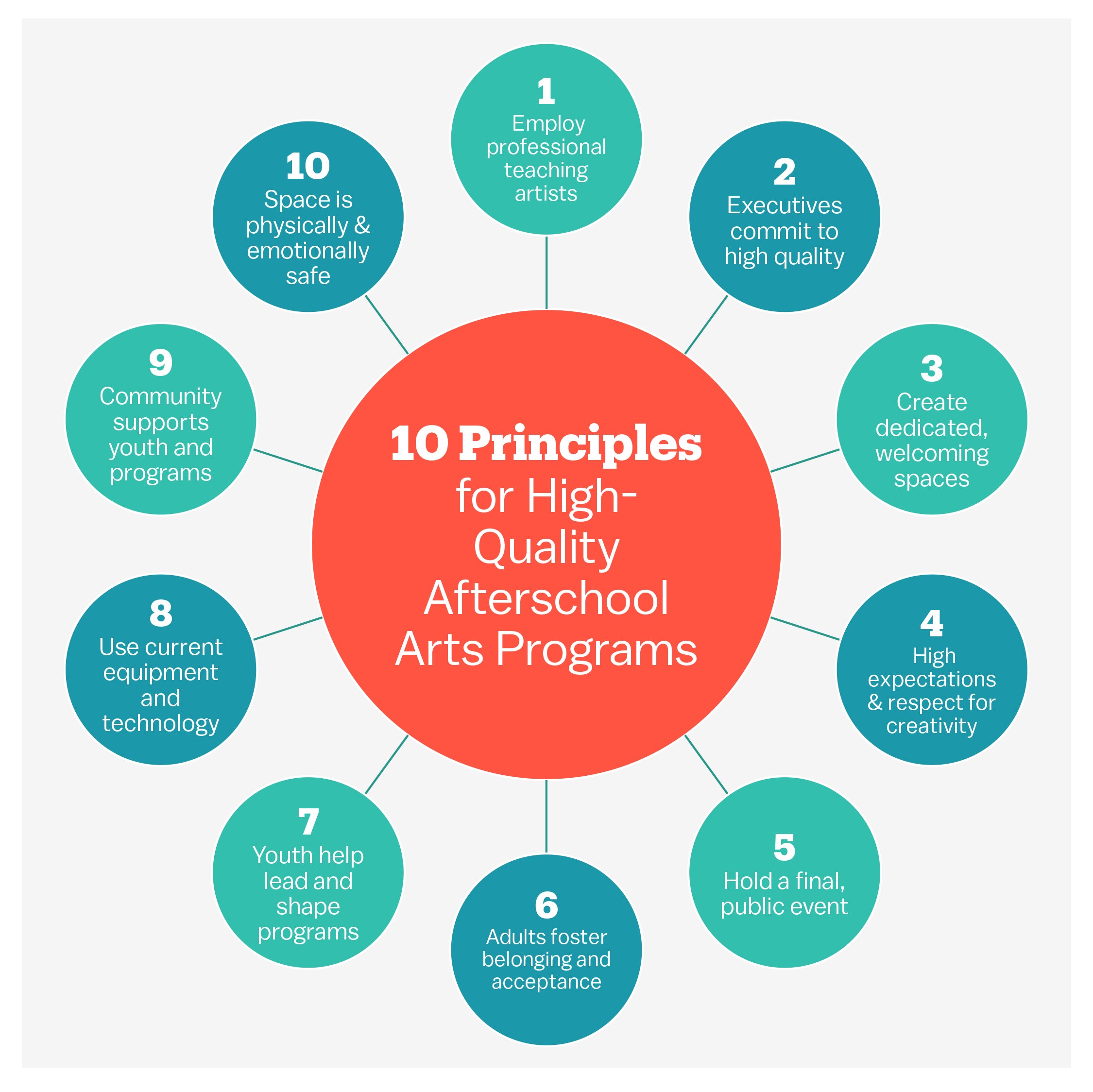
The Impact of Arts Programs on Individuals
Arts programs have a profound impact on individuals, influencing their personal and professional lives in numerous ways.
1. Personal Growth and Self-Discovery
Engaging in the arts allows individuals to explore their interests, passions, and identities. Through creative expression, they can gain a deeper understanding of themselves and their place in the world.
2. Career Opportunities
Arts programs prepare students for a variety of careers in the creative industries. Whether it's becoming a professional artist, designer, or performer, the skills and experiences gained in these programs are highly sought after in the job market.
3. Community Engagement
Arts programs often foster a sense of community and belonging. By participating in group projects, performances, and exhibitions, students build relationships and connections with their peers and the broader community.
4. Mental Health and Well-Being
The arts have been shown to have a positive impact on mental health. Engaging in creative activities can reduce stress, improve mood, and enhance overall well-being. Many arts programs incorporate mindfulness and therapeutic elements to support the mental health of participants.
The Role of Arts Programs in Education
Arts programs are an integral part of education, providing a well-rounded and enriched learning experience. Here are some ways in which arts programs contribute to education:
1. Enhancing Academic Performance
Research has shown that students who participate in arts programs tend to perform better academically. The skills developed through the arts, such as critical thinking, problem-solving, and creativity, can be applied to other subjects, leading to improved academic outcomes.
2. Promoting Inclusivity and Diversity
Arts programs are inclusive and accessible to students of all backgrounds and abilities. They provide a platform for diverse voices and perspectives, promoting a more inclusive and equitable educational environment.
3. Fostering Collaboration and Teamwork
Many arts programs involve collaborative projects, where students work together to create and present their work. This fosters teamwork, communication, and leadership skills that are essential for success in both academic and professional settings.
4. Encouraging Lifelong Learning
The arts instill a love of learning and a curiosity about the world. Students who engage in arts programs are more likely to continue learning and pursuing their interests throughout their lives, contributing to a more vibrant and dynamic society.
Challenges and Solutions in Arts Programs
Despite their numerous benefits, arts programs face several challenges. These challenges can impact the quality and accessibility of arts education. Here are some common challenges and potential solutions:
1. Funding and Resource Allocation
One of the biggest challenges faced by arts programs is funding. Limited resources can restrict the availability of materials, facilities, and staff. To address this, schools and organizations can seek grants, sponsorships, and community partnerships to secure additional funding.
2. Teacher Training and Support
High-quality arts education requires well-trained and supported teachers. However, many educators may lack the necessary training and resources to effectively teach arts programs. Professional development opportunities, mentorship programs, and collaboration with arts organizations can help address this issue.
3. Curriculum Integration and Assessment
Integrating arts programs into the broader curriculum and assessing student progress can be challenging. Schools can develop interdisciplinary curricula that incorporate arts across various subjects. Additionally, using a variety of assessment methods, such as portfolios and performances, can provide a more comprehensive evaluation of student learning.
4. Community Engagement and Support
Building strong community support is essential for the success of arts programs. Engaging parents, local artists, and community organizations can help raise awareness and generate interest in arts education. Community events, open houses, and collaborative projects can foster a sense of ownership and investment in arts programs.
FAQs
What are the benefits of arts programs for children?
Arts programs offer numerous benefits for children, including enhanced creativity, improved academic performance, better emotional regulation, and increased cultural awareness. Engaging in the arts can also boost self-confidence and social skills, preparing children for success in both personal and professional life.
How can schools integrate arts into their curriculum?
Schools can integrate arts into their curriculum by developing interdisciplinary lesson plans, collaborating with arts organizations, and providing professional development for teachers. Additionally, incorporating arts into various subjects, such as history and science, can help students see the relevance and value of the arts in their learning.
What are some funding sources for arts programs?
Funding for arts programs can come from various sources, including government grants, private foundations, corporate sponsorships, and community fundraising. Schools and organizations can also explore partnerships with local businesses and arts organizations to secure additional resources.
How can parents support their children's involvement in arts programs?
Parents can support their children's involvement in arts programs by encouraging their interests, attending performances and exhibitions, and providing resources and materials for creative activities at home. Additionally, volunteering and participating in community arts events can help foster a supportive and engaging environment for children.
What are the long-term benefits of participating in arts programs?
Participating in arts programs can have long-term benefits, such as improved cognitive and social skills, enhanced creativity and innovation, and a greater appreciation for diverse cultures and perspectives. These skills and experiences can contribute to personal and professional success, as well as a more fulfilling and enriched life.
How can arts programs promote inclusivity and diversity?
Arts programs can promote inclusivity and diversity by offering a wide range of artistic disciplines and styles, representing diverse cultures and perspectives in the curriculum, and creating a welcoming and supportive environment for all students. Additionally, involving community members from different backgrounds and engaging in collaborative projects can help foster a sense of belonging and mutual respect.
Dock Mennonite Academy EC-8 Campus
420 Godshall Rd, Souderton, PA 18964
(215) 723-1196